How Do Popular Automation Tools Support Modern Industrial Operations

Posted on December 22, 2025 issac diaz Aerospace

Many modern industrial operations across the globe depend on the use of equipment that can run continuously, adapt to variable workloads, and sustain consistent product quality across tightly scheduled production cycles. These growing expectations have steadily driven demand for automation platforms and other tools that have the ability to centralize decision-making and reduce variability that might otherwise arise from manual intervention. In this blog, we will explore how programmable logic controllers (PLCs), human–machine interface systems (HMIs), robotics platforms, and sensor technologies all contribute to dependable automation performance across diverse industrial sectors, so read on if you are interested in learning more.

How Do Programmable Logic Controllers Contribute to Industrial Coordination?

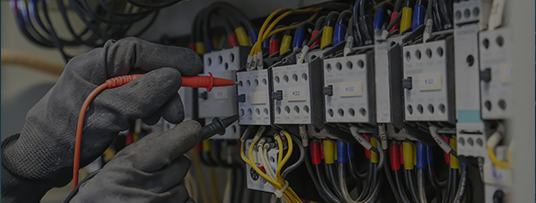
In their most basic form, PLCs serve as configurable control elements that help operators synchronize equipment behavior across varied process stages and activities. Several core functions demonstrate how these systems support operations, including:

  • Sequence Control: PLCs can execute structured operational sequences that regulate processes like conveyor indexing or temperature cycling, enabling facilities to sustain more predictable process flow across diverse manufacturing environments.
  • Input/Output Handling: Many PLC platforms are engineered to process both analog and digital input data, allowing them to regulate a broad range of industrial applications.
  • Fault Response: Specialized PLC configurations can initiate predefined shutdown procedures when abnormal operating conditions are detected, supporting equipment protection and personnel safety.
  • Repeatability: Control architectures that incorporate PLCs can achieve consistent interaction behavior across equipment assemblies, enabling manufacturers to maintain dependable product quality throughout extended production cycles.
  • Scalability: As industry requirements continue to evolve and become more stringent, PLCs offer the ability to be reprogrammed or expanded with additional modules. This enables technicians to integrate new equipment or advanced automation strategies as necessary, all without disrupting existing workflows.

How Do Human-Machine Interfaces Improve Industrial Oversight?

HMI platforms are highly sought after for their ability to provide operators with consolidated visibility into production activities and diverse functions for equipment management, strengthening oversight in environments where timely responses and clear situational awareness directly impacts success. When it comes to the standard HMI platform, common benefits and features include:

  • Process Visualization: HMIs can display production metrics, temperature trends, and alarm conditions in structured visual formats, allowing operators to interpret system behavior quickly and without error.
  • Parameter Adjustment: Setpoints and operating modes can often be modified through featured HMI panels, allowing teams to adjust equipment behavior in direct response to real-time requirements.
  • Alarm Management: Many HMI systems can consolidate alerts and fault indications into unified displays, helping personnel diagnose issues and initiate corrective actions before they potentially develop into prolonged disruptions.
  • Troubleshooting Support: Diagnostic screens can provide access to detailed error logs and history, enabling operators to streamline root-cause evaluations during system recovery efforts.
  • Workflow Efficiency: By merging information from multiple machines into centralized screens, HMI platforms can improve supervisory efficiency in production environments that depend on numerous interconnected equipment assemblies.

How Do Environmental Conditions Influence the Selection of Industrial Automation Tools?

Robotic systems and robotic process automation (RPA) platforms are both routinely incorporated into industrial spaces that seek to reduce the difficulty, inconsistency, or safety risks associated with manual operations. Generally speaking, applications may call for these platforms to carry out:

  • Precision Tasks: Various forms of robotic equipment can be deployed to perform alignment or placement tasks in environments where temperature fluctuations or airflow changes could compromise the accuracy of manual work.
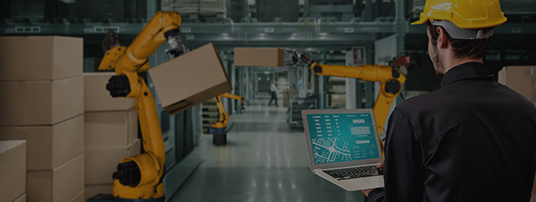
  • Material Handling: Autonomous mobile robots can be leveraged to support picking and packing tasks in logistics areas, reducing the effect that variable lighting conditions have on the efficiency or reliability of the handling processes.
  • Operational Consistency: Robotic assemblies can operate through extended duty cycles without facing great levels of fatigue, making them suitable for facilities where airborne contaminants or extreme temperatures could limit human endurance. 
  • Hazard Reduction: Robots are frequently selected for environments involving toxic chemicals, elevated heat, or heavy-load requirements, helping reduce the chance of operator exposure to conditions that present notable safety hazards.

How Do Sensors and Vision Systems Enhance Visibility and Quality Control?

Sensors and vision systems can provide industrial teams with detailed insight on product condition and environmental variables, supplying the forms of data necessary to support consistent quality outcomes. For example, professionals may leverage sensors and vision systems for:

  • Quality Inspections: Vision systems can be used to detect defects early in manufacturing processes, enabling operators to prevent flawed items from advancing into later production stages.
  • Environmental Monitoring: Sensor assemblies can track variables like temperature and humidity, allowing operators to maintain controlled conditions within storage or processing environments.
  • Process Optimization: Data collected from sensors regularly enables teams to adjust flow rates, feed levels, and other important operational parameters to support stable manufacturing activity.
  • Agricultural Support: Sensor arrays are routinely used to monitor soil moisture and nutrient levels, helping farmers calibrate irrigation and fertilization strategies that promote healthy crop development.
  • Anomaly Detection: Vision systems designed for pattern-recognition tasks can identify deviations in components that are currently in service, allowing teams to flag abnormal conditions that require timely maintenance attention.

Secure Affordable Solutions on Industrial Automation Tools

Owned and operated by ASAP Semiconductor, Industrials Delivery is a trusted purchasing hub where customers can find competitive options on PLCs, HMIs, and other notable industrial automation tools that trace back to industry leaders. While other channels may ask you to decide between reliability, pricing, and timely fulfillment during fulfillment, we strike an optimal balance where you can routinely meet budgets and constraints without ever forgoing quality. Bearing our commitments in mind, discover why so many customers steadily choose us for part procurement when you get in touch with our team of industry experts.

Semiconductor’s Certifications and Memberships

No-china-bg
No Chins The only independent
distributor with a
NO CHINA SOURCING Pledge
No-china-bg
USA Flag
  • Arrow RightAll Orders are Fulfilled in the U.S.A.
  • Arrow RightAll shipments must comply with U.S.A export laws.
  • Arrow RightNo exceptions.
No-china-bg
Fallen Heros Fund

“We Proudly Support Intrepid Fallen Heroes Fund that serves United States Military Personal experiencing the Invisible Wounds of War : Traumatic Brain Injury (TBI) and Post Traumatic Stress (PTS). Please visit website (www.fallenheroesfund.org) and help in their valiant effort”.

Thank You for Visiting.

We hope that you will visit us again the next time you need industrial parts and make us your strategic purchasing partner.

Request for Quote

We use cookies to ensure that we give you the best experience on our website. If you continue to use this site we will assume that you are happy with it.

bottom to top